One of the aims of the Xiphophorus Working Group is to promote cooperation between breeders. We would like to strengthen the social part of our hobby and work – without people, xiphos would not swim in aquariums 😉 Let’s get to know one of us through the following interview.
How would you briefly introduce yourself?
I was born in 1965. Even as a little child, I was constantly wondering what was under the water? Even if it was just a small puddle. This interest was already very strong during my high school years. The first real aquarium, created by my father, appeared in my life around 1978. This was followed very quickly by a second one. Unfortunately, the expansion was not continued after that, due to studies and lack of space. But my interest in fish grew stronger year by year. I may be one of those rare individuals who used an aquarium book as a pillow at night. I tried to acquire practically every literature that was available behind the Iron Curtain. This continues to these days. The first fish, which I will never forget, of course, was a pair of green Xiphophorus hellerii, which my father received from a friend, professor at the University of Sopron. That, there, then, decided everything. There were attempts, some successful… but still, the real, the great love, remained the Xiphophorus.
Do you keep other species of fish besides Xiphophorus?
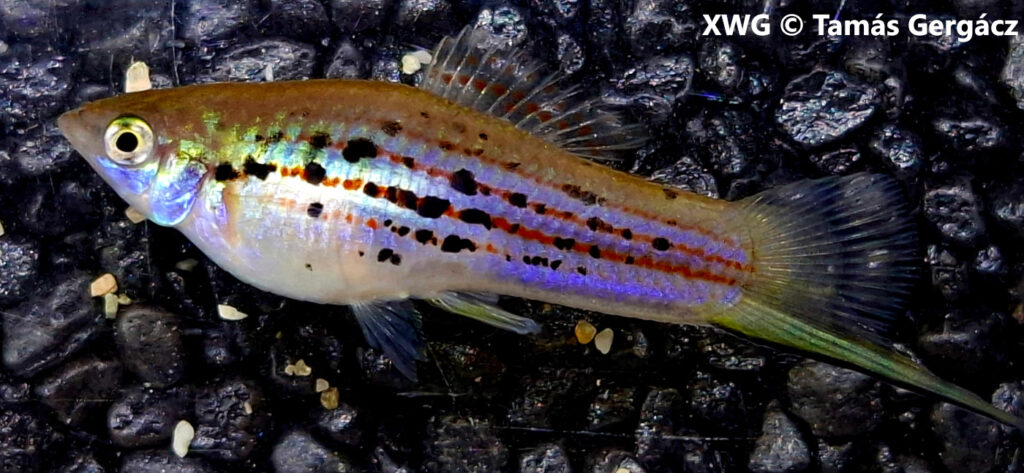
Yes, I also deal with Goodeidae species. Among them, I became the Global Coordinator of Xenotoca variata Atotonilco, based on the trust Michael Köck placed in me.
How long and why do you keep xiphos?
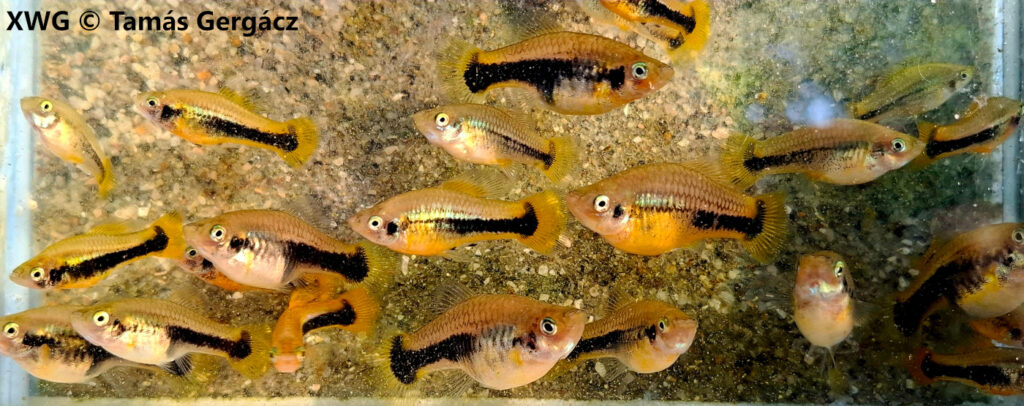
I initially kept Xiphophorus in the form of their ornamental (selectively bred) varieties. After a lot of, perhaps a decade of reading and research about wild Xiphophorus, around the end of 2002 I managed to get concrete information about the first wild Xiphophorus species that I had. I knew that this was another lightning strike for me. This was Xiphophorus variatus La Laguna, collected by MacAllister. At that time, Hungary was not yet a member of the EU, so it was very difficult to bring these species to Hungary. But later I finally managed to do so, although I bought them in Austria (in 2005).
What species of Xiphophorus do you keep?
- Xiphophorus alvarezi Rio Dolores.
- Xiphophorus andersi Finca La Ceiba (type locality) Schartl
- Xiphophorus clemenciae Arroyo Pita, Road to Santa Maria Chimalapa, Oaxaca, Mexico
- Xiphophorus evelynae Tecolutla, Schartl
- Xiphophorus cf. hellerii Mariscos Lago Izabal, Guatemala
- Xiphophorus hellerii Laguna Escondida
- Xiphophorus hellerii Río Chachalaca near the town of Jalapa
- Xiphophorus hellerii, Paso de Ovejas coll BHKR (type locality)
- Xiphophorus hellerii Sontecomapan
- Xiphophorus hellerii Sibun River, Belize
- Xiphophorus hellerii Quintana Roo, Yucatan
- Xiphophorus kallmani dr. Schartl, Würzburg University, code:1354
- Xiphophorus malinche Río Conzitla 2018 Coll B&R.
- Xiphophorus montezumae Río Tamasopo (Birchmann)
- Xiphophorus mayae Río Marisco south coast of Lago Izabal
- Xiphophorus variatus La Laguna MacAllister 2000
- Xiphophorus signum Río Chajmaic
- Xiphophorus xiphidium Río Purificación, Coll. Schartl
- Xiphophorus variatus Tampico, Coll. Schartl
- Xiphophorus multilineatus Arroyo Tambaque 2014/17 Coll AHKR
Do you have an extra favourite or dream species?
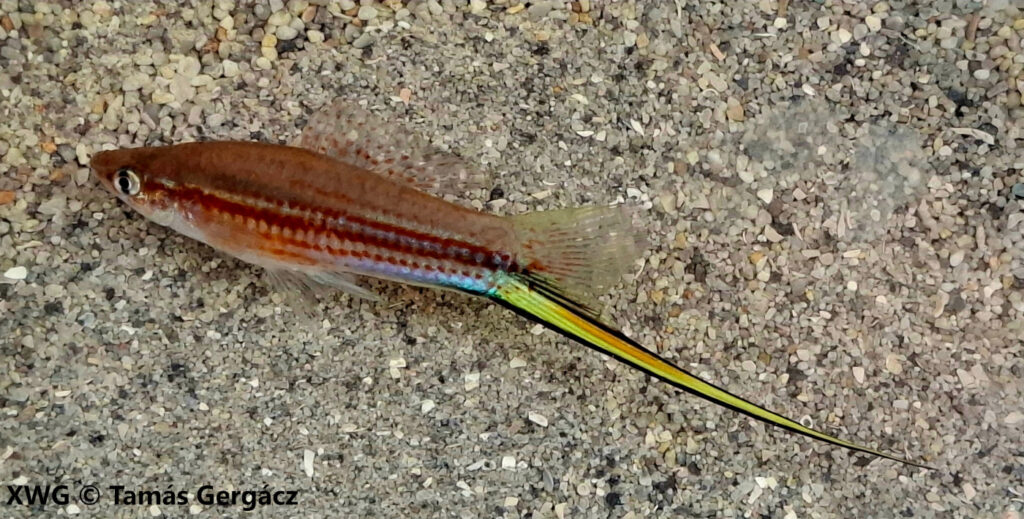
Well, actually, my dreams are swimming in my aquariums. It’s a rare thing. But of course there are some that really excite me, and these are the subject of the “Xiphophorus – Northern Platyfish” project. In recent years, we have managed to create a winter residence where the winter temperature drop will not be a problem. So far, it has worked, but for me it was not completely satisfactory.
How long do you usually keep each species? Do you prefer learning new things or stability?
I always take care of fish, which are often associated with experiences and memories caused by kind people, as long as I can do so safely for them. Here, genetics, the purity of the species and their health are what matters.
Yes, I like novelty, but I like to gather information before I start something. I always keep the existing wild species under my care as my primary consideration. In case I can prepare to accommodate a new species, then of course, I immediately dismantle or build new aquarium stands with enthusiasm. Unfortunately, the size and quantity of aquariums cannot be infinite. Neither can my outdoor capabilities.
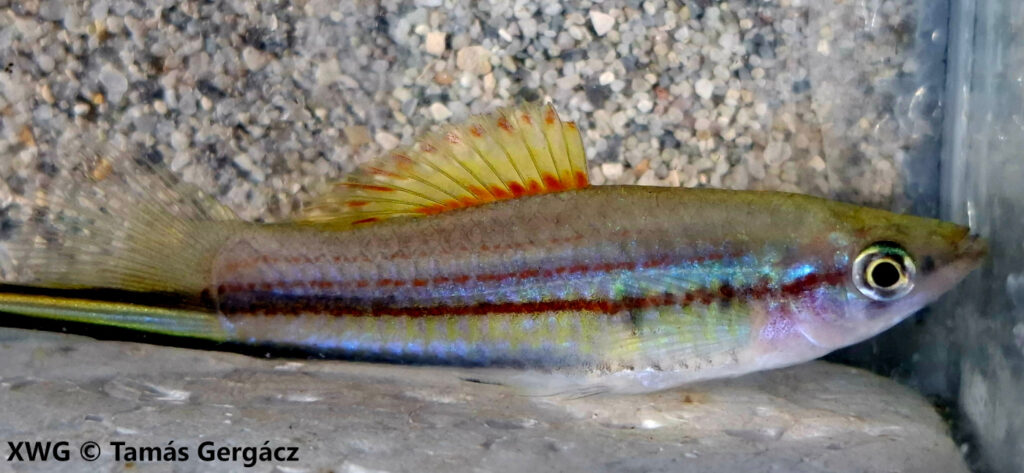
How big are your tanks, how are they equipped and what kind of filtration do you use?
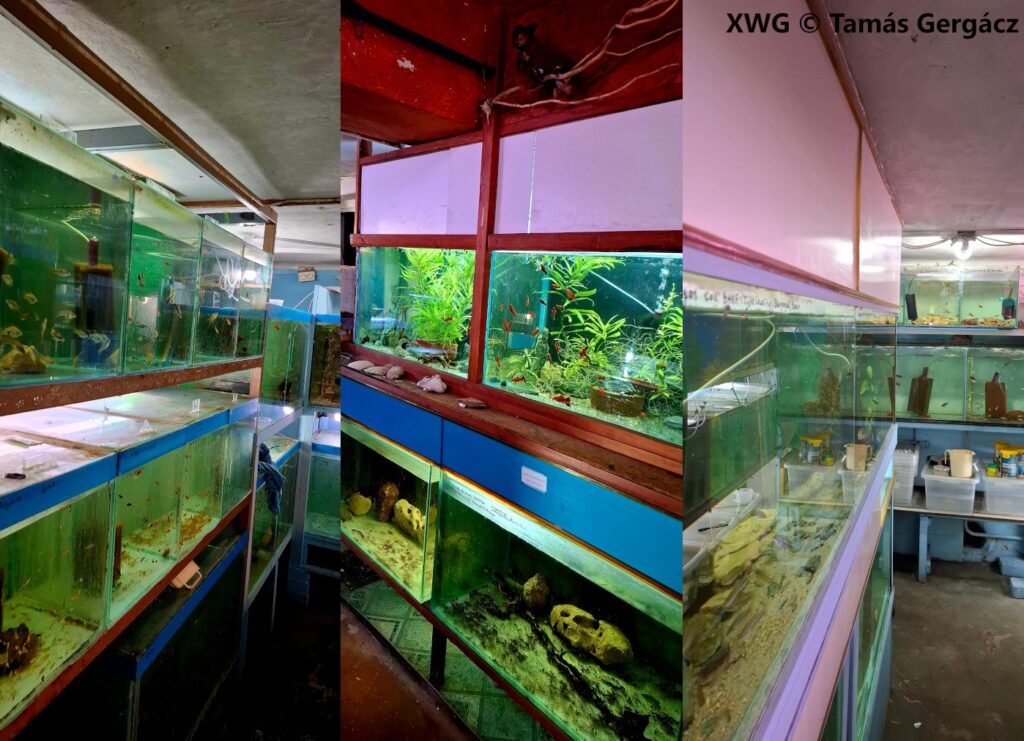
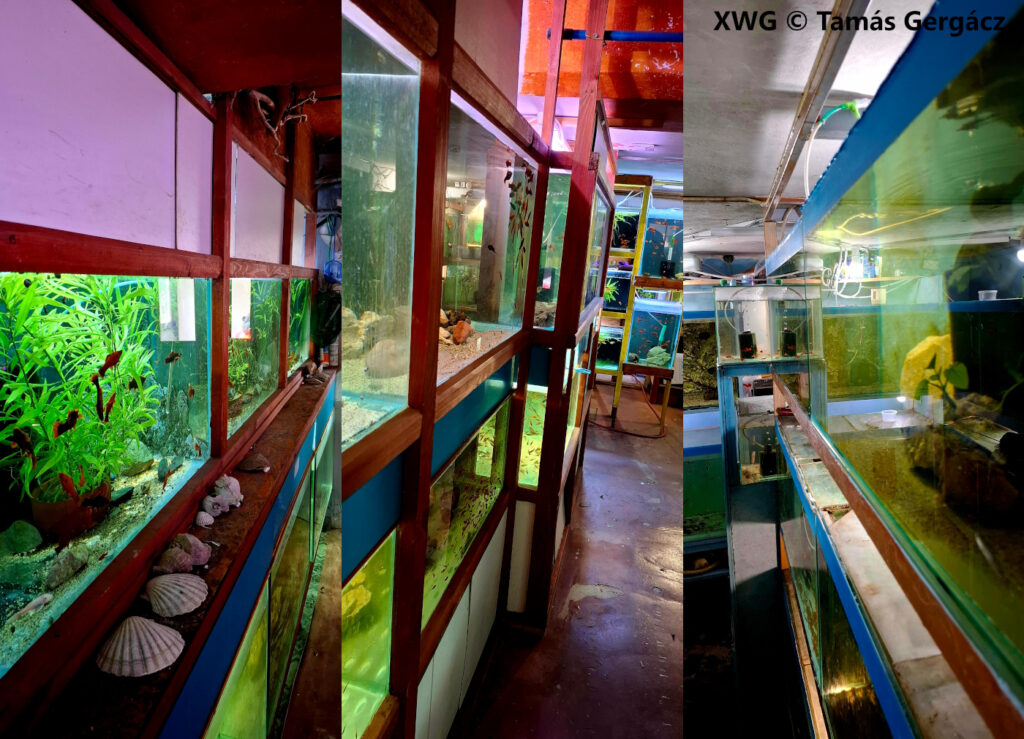
My aquariums vary in size, from 500 litres to 30 litres, all sizes are available. I adapt them to the needs of a given species, according to my capabilities. Currently, the fish can swim in 15 000 litres indoors. I do not complicate the filtration, I use large sponge filtration, driven by an air compressor. The lighting is LED, cold white light, to help algae formation. I do not like completely “sterile” aquariums, but this does not apply to the water quality. It is only the algae layer that I try to maintain for the fish. Where I have the right light conditions, the plants also work with me.
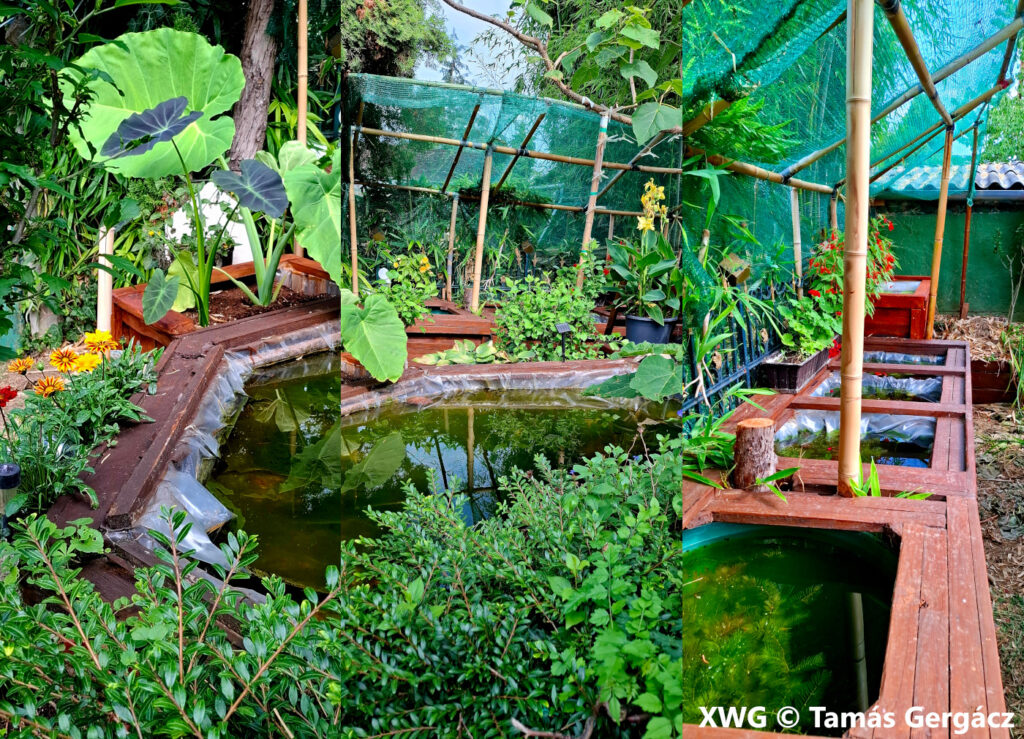
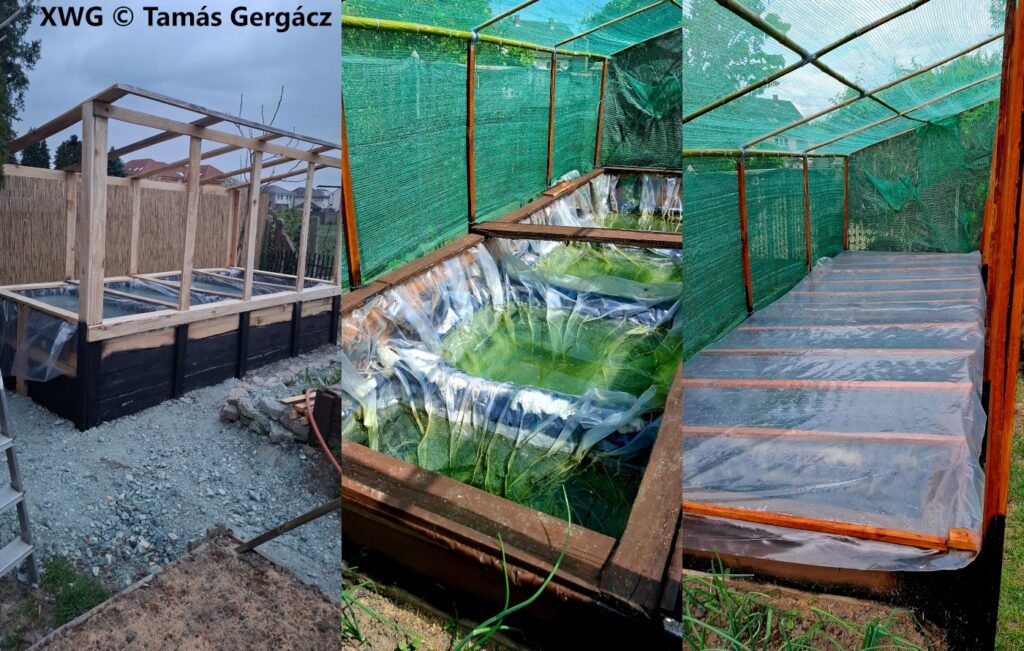
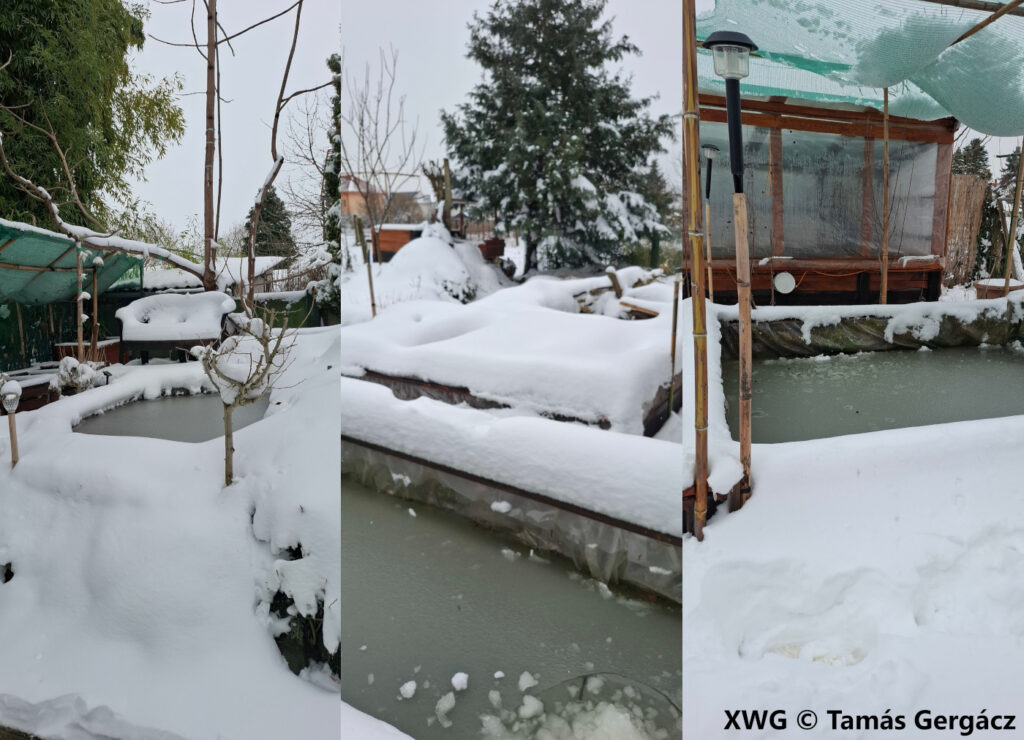
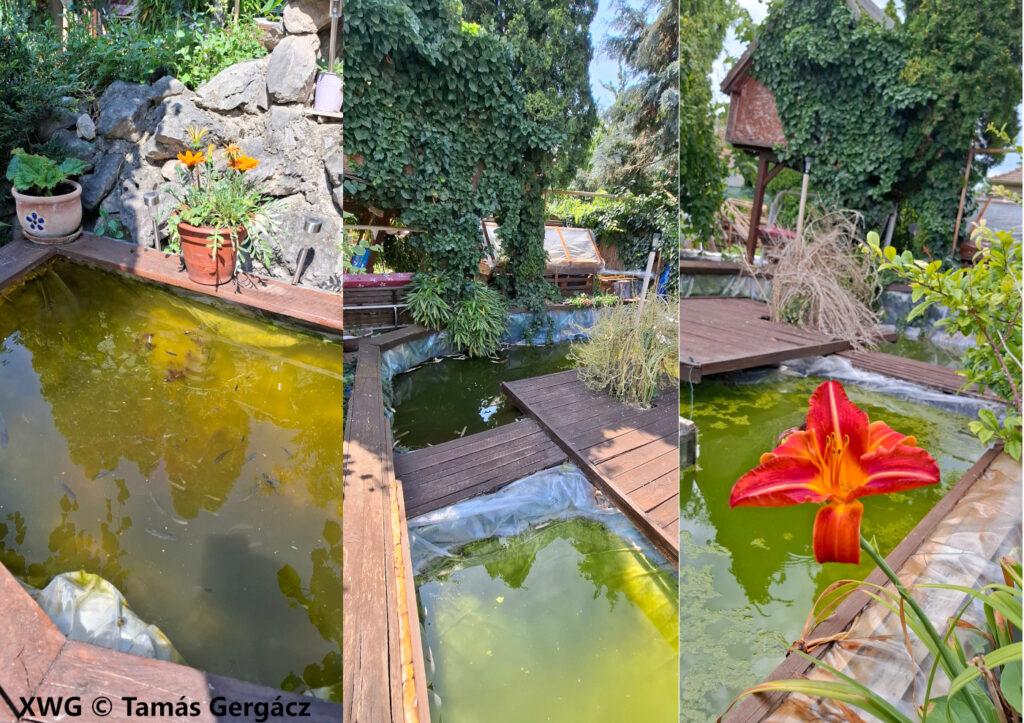
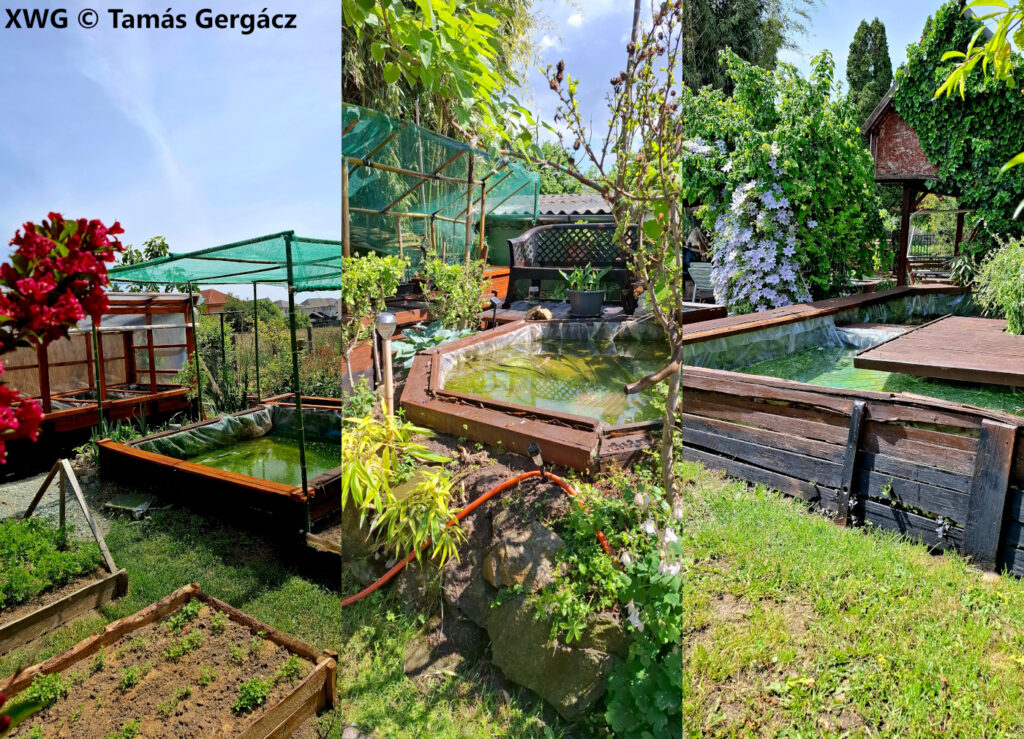
This is connected to the summer, outdoor “operation” where the fish have about 40 000 litres of water, consisting of various smaller and larger ponds. Self-made, insulated, partially dug into the ground, foiled ponds. I made this in this way to protect against the sometimes large temperature fluctuations in the summer. The use of foil also allows for the creation of shallower parts, so the fry are safer, and it suits me better because it imitates the original habitat. There is no filtration there, everything is done by the plants. The size of such a small pond ranges from 300 litres to 8 000 litres.
And what about water – temperature, chemical parameters, water exchanges?
The water is hard in our area, 20-25 °dGH. pH 7,5. For the southern Xiphophorus, which have warmer needs, the water is 22 °C in winter, but not completely constant, so that the fluctuations also give a natural effect. It is warmer or cooler from time to time. I usually take the weather into account for this. For the northern Xiphophorus, the base is 16 °C, but it cools down when the water is changed. Water changes are done every week, every day of the week, but in a rotational system. The amount is about 25-30 %. Outdoors, during the summer heat, the water is changed even daily, with the help of a small pump system.
How and what do you feed?
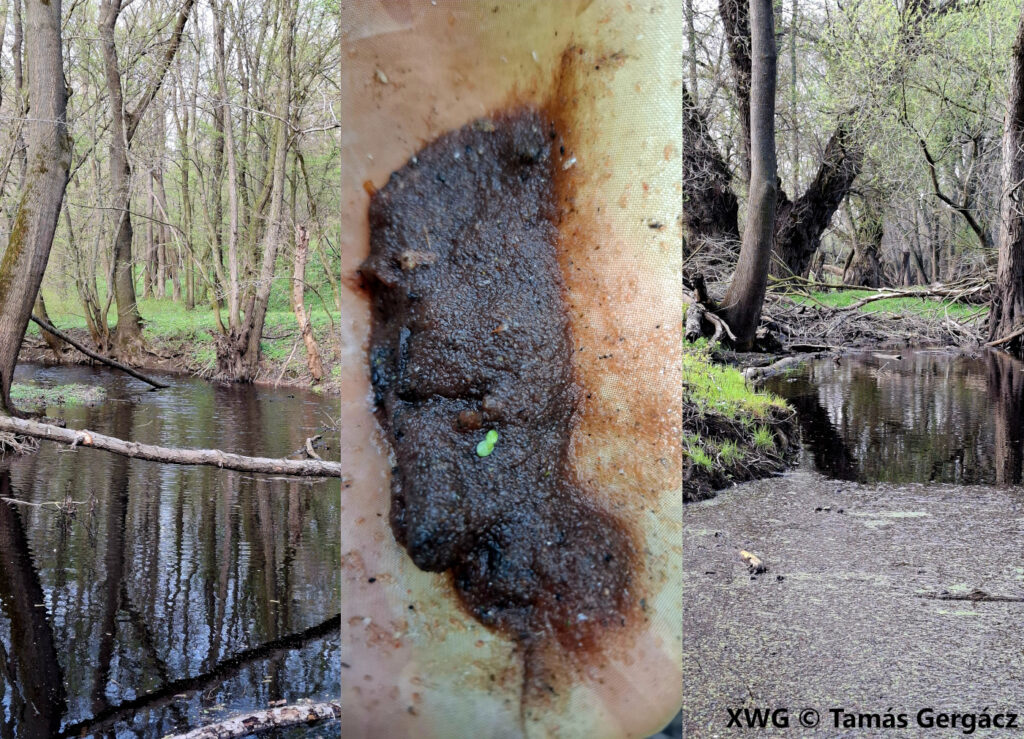
It’s not easy. I’ve been going out into nature every day for 35 years to collect zooplankton. There are places where you can still collect it, relatively far from populated areas and agricultural areas. It’s a way of life for me. Unfortunately, this opportunity is becoming increasingly limited, due to climate change and increasing urbanization. As a supplement, they sometimes receive spirulina-containing granules and frozen Artemia. I always wash the collected food and frozen products. Since the fish receive this from birth, their immune system can be prepared. In the summer, I also feed them outdoors, but less to preserve water quality.
Do you need to solve any diseases or other problems?
The most important thing is that the water quality is perfect, then many diseases can be prevented more easily. But there are situations when medical products must be called in for help. Early recognition is important. This is really achieved if we always watch every movement or vibration of the fish. Yes, it takes patience and time.
Have you seen Xiphophorus in the wild? If so, which – and what did that mean for you? If not, are you interested in Xiphophorus natural habitats?
Unfortunately, I’ve only ever seen it on video or in photos. But this year, my lifelong dream seems to be coming true. In April, I’ll be able to see more habitats in person. I’m excited to see how big the difference is between the garden’s “mini Mexico” and reality.
To what extent do you try to keep breeding as natural as possible (environment, selection)?
Completely. As far as I can. By collecting a lot of information about the characteristics of a given species, because such knowledge determines the success of keeping the species. Of course, there are always failures, but the goal is to have few. In the field of selection, in the case of wild species, the preservation of biological diversity is important. The so-called line breeding cannot be followed here. Similar to natural breeding, damaged or possibly deformed individuals are removed.
Do you deal with genetics (inbreeding, so-called blood refreshment, population size in your aquarium, etc.)?
Yes, to the best of my knowledge. Inbreeding may be necessary if an endangered or extinct in the wild species needs to be saved. If there are enough individuals available, I divide the “stock” into two or more groups. These will be separate lines, which can later be merged again, thus realizing the blood renewal from my own stock. However, if I am lucky and others are also dealing with a given species, then, keeping in mind the location, I occasionally acquire a few specimens for this purpose.
The size of the population for me depends on the species, usually if there are many individuals available, I divide them into two or more groups. And I keep them based on the above principle. Of course, this also requires a lot of space. It is an aquarist’s nightmare if there is no more place.
What information sources about Xiphophorus do you usually look for?
- If I can, I collect from university databases. I really like to research scientific opinions or studies.
- Very important information comes from friends with similar interests!
- From people who have already been to certain locations.
- The internet, which is now unavoidable.
- Books, like the last of the Mohicans.
What is your experience with cooperation with other breeders?
I wouldn’t be here without them. It’s a big family, even if we’ve never met in person. It’s very important to see it not only with my own eyes. There are many good paths to successful fish keeping. Based on this, I can decide if I’m on the right path, too. And the different meetings help us get to know each other.
What are your expectations from XWG?
Actually, I am glad that it exists. I am happy about the collaboration with the GWG. I would like it to be preserved like this. I would like some of the uncertainties surrounding the type locality Xiphophorus to be resolved. In the case of the Northern Platyfish Project – although I am not a member –, the questions raised regarding the purity of a species could be clarified. If the problem has not been resolved yet. Perhaps the introduction of a registration system like the one implemented by Márk Liziczai in the case of the KLG Goodeid Project. This way, the path of a fish species between individual breeders can be easily checked.
What do you consider to be a key factor for the successful keeping of Xiphophorus?
It is always about providing the needs of the given species. In my opinion, they should not be domesticated. It should be avoided as much as possible. In many cases, this can give a chance to survive for species that is seriously endangered or extinct in the wild. The key is staying close to nature. Man, do not separate yourself from nature.