
Xiphophorus variatus
Xiphophorus variatus (Meek, 1904)
Affiliation: southern platyfish
IUCN status: least concern

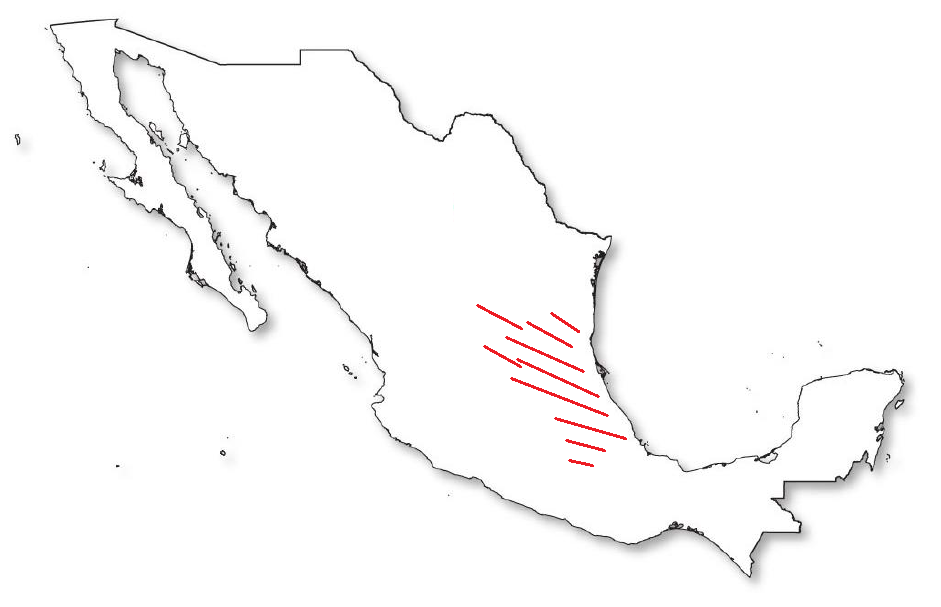
Distribution: Atlantic Slope of Mexico, in coastal drainages south of Río Soto La Marina in Tamaulipas down to Veracruz, including rivers in Puebla, Hidalgo and San Luis Potosí in Sierra Madre Oriental. Established feral populations also exist in several countries outside its native range due to aquarium releases. (e.g. Singapore, Hawai, Colombia).
Known locations (existing/former): many
Habitat description: Inhabits slow to fast-moving freshwater habitats such as large rivers, smaller streams, ditches, canals. Prefers shallow waters with clear to slightly turbid conditions, moderate flow, and abundant submerged and marginal aquatic vegetation.
Biotope reports:
- none yet
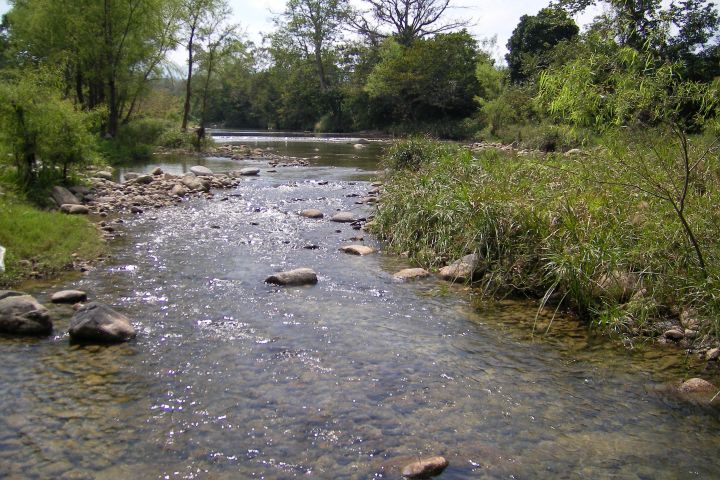
© Libor Balnar
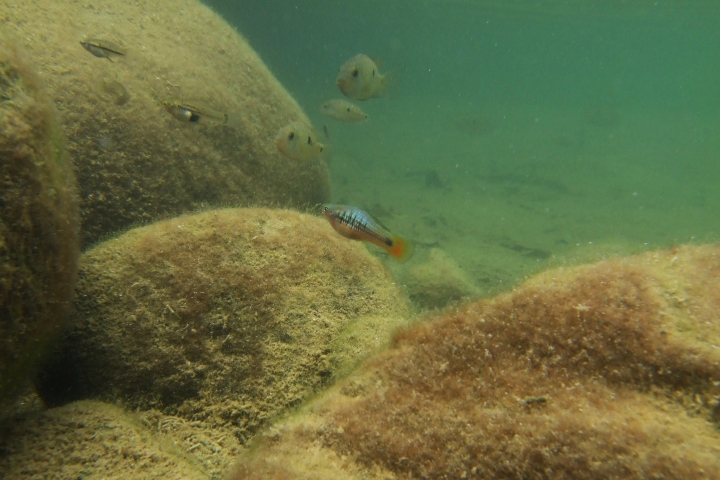
© Markéta Rejlková
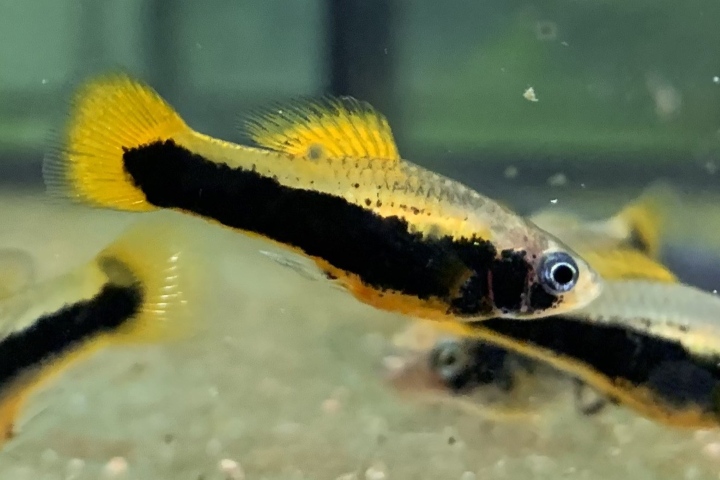
Description: One of the larger platyfish, with males typically reaching up to 4-5 cm and females up to 7 cm in total length (typically 5 cm). Wild-type coloration is generally olive-brown with potential black marbling, faint vertical bars on sides, and spots on the caudal peduncle. Males with bright color in fins or body can be seen, but this coloration is not uniform within a population. Selective breeding has produced a variety of color morphs in the aquarium trade. Sexual dimorphism is evident; males are smaller and possess a gonopodium (modified anal fin), while females are larger with a more rounded abdomen.
Variability: Highly variable species (hence the name variatus); wild populations show moderate natural variation in spotting and coloration. Selective breeding has resulted in a wide range of ornamental color morphs and fin shapes.
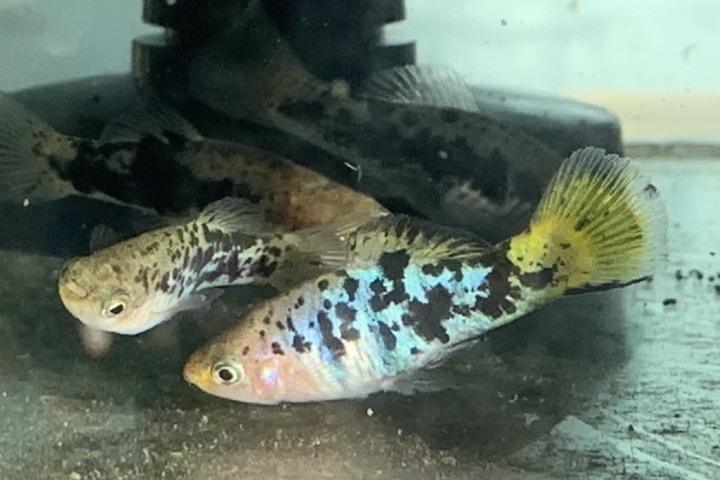
© Dávid Urbányi
© Dávid Urbányi
XWG status: not actively managed (stable wild populations)
Represented in aquaria: Extremely common and widely represented; one of the most popular livebearing aquarium fish globally, alongside Xiphophorus maculatus and Poecilia species. However, wild strains with known origin and not affected by selection are rare.
Known issues:
- Prone to hybridization with other Xiphophorus species, particularly X. maculatus, both in captivity and in introduced populations.
- Susceptible to common aquarium diseases, including parasitic infestations such as Ichthyophthirius multifiliis (“ich”) and bacterial infections (Mycobacterium spp.). Generally robust under appropriate conditions.
Known collections or populations:
- Arroyo Zarco (El Zarco), Mexico
- Río Pantepec, Mexico
- Río Tampico, Tamaulipas,Mexico
- La Laguna (?)
- Laguna de Media Luna, San Luis Potosí, Mexico
- Río Nautla, Veracruz, Mexico
- Misantla, Mexico
- Puente Escalanar, Mexico
- …
(if you have more information, please contact us at info@xipho.org – thanks!)
Remarks:
- Xiphophorus variatus has significant importance in scientific research, particularly in studies of genetics, carcinogenesis, and evolutionary biology. Despite its wide distribution and secure status, careful monitoring of hybridization and maintenance of pure genetic lines is recommended. The species plays a key role in ornamental aquaculture and educational aquarium programs.
Under construction
We are working on the content of this website. Your help will be appreciated, please contact us at info@xipho.org.
If you want to be informed about the progress and plans of the Xiphophorus working group, subscribe to our mailing list or follow us on Facebook: