
Xiphophorus maculatus
Xiphophorus maculatus (Günther, 1866)
Affiliation: southern platyfish
IUCN status: data deficient

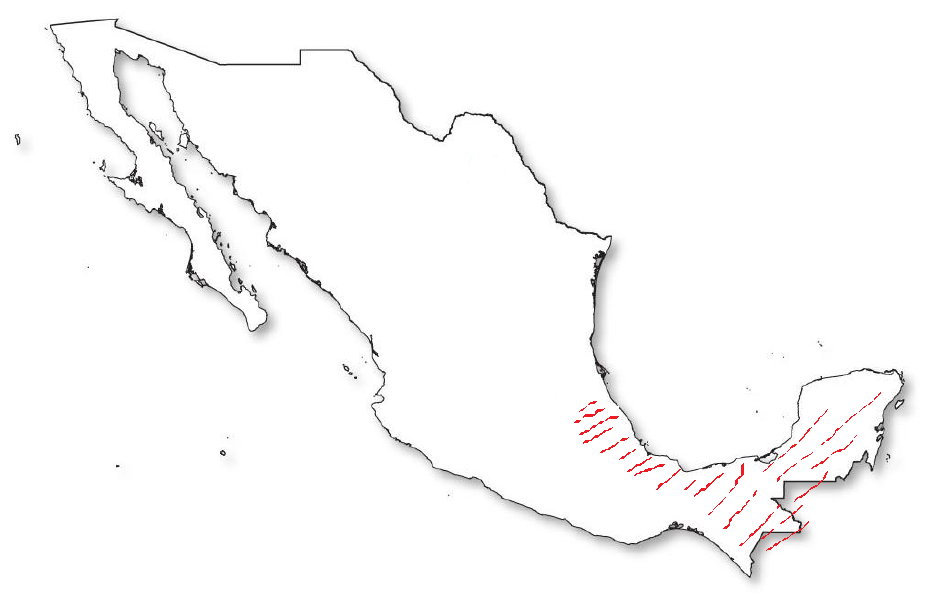
Distribution: found along the Atlantic slope from the Río Nautla basin (central part of Veracruz) to Oaxaca, Yucatán peninsula, northern Belize and Guatemala
Known locations (existing/former): many
Habitat description: Occupies stagnant waters, slow-moving to moderately flowing streams, ditches, canals, and shallow lagoons with abundant aquatic vegetation. Found in clear or turbid water, usually in areas with dense submerged and riparian plant growth.
Biotope reports:
- none yet
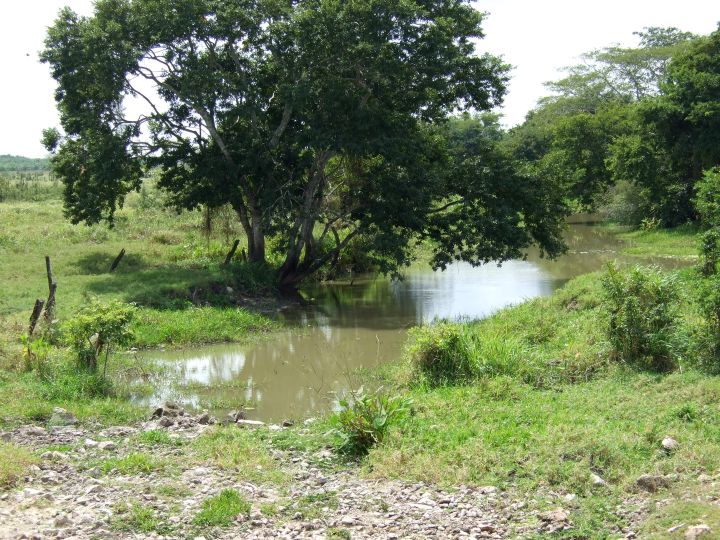
© Markéta Rejlková
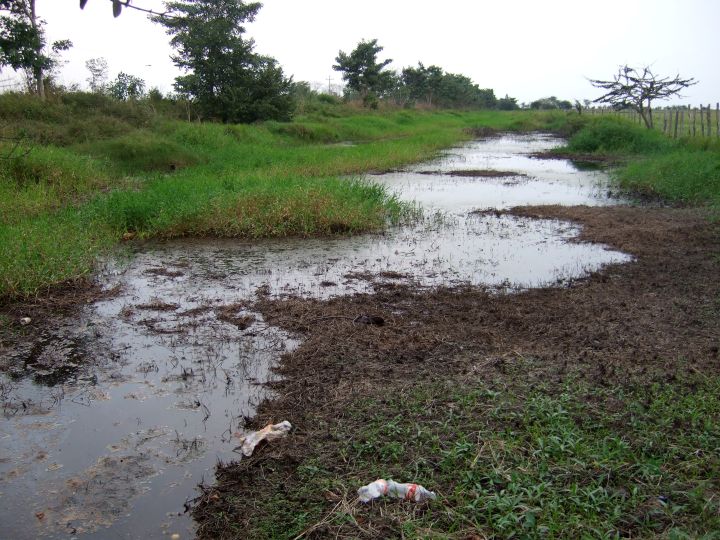
© Markéta Rejlková
Description: Small to medium-sized Xiphophorus species, usually measuring around 4–6 cm in total length. The wild form is characterized by olive-gray to brownish base coloration, commonly exhibiting distinct black spots or blotches on the body, with occasionally more colours appearing on the body, fins, eyes (see pictures). Domestic varieties exhibit a wide range of color patterns, including red, orange, yellow, blue, and combinations thereof. Sexual dimorphism is notable; males are smaller with a modified anal fin (gonopodium), whereas females are larger and more robust.
Variability: Highly variable; wild populations exhibit moderate variability with respect to spotting patterns and colours, while captive-bred populations demonstrate extensive colour and morphological variations due to selective breeding.
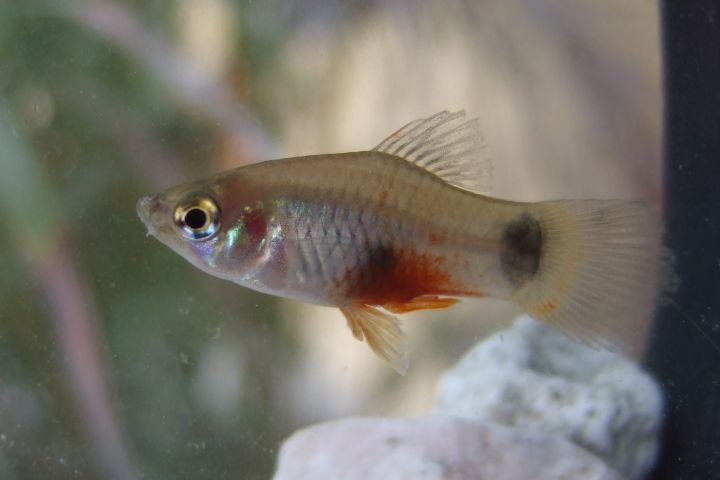
© Markéta Rejlková
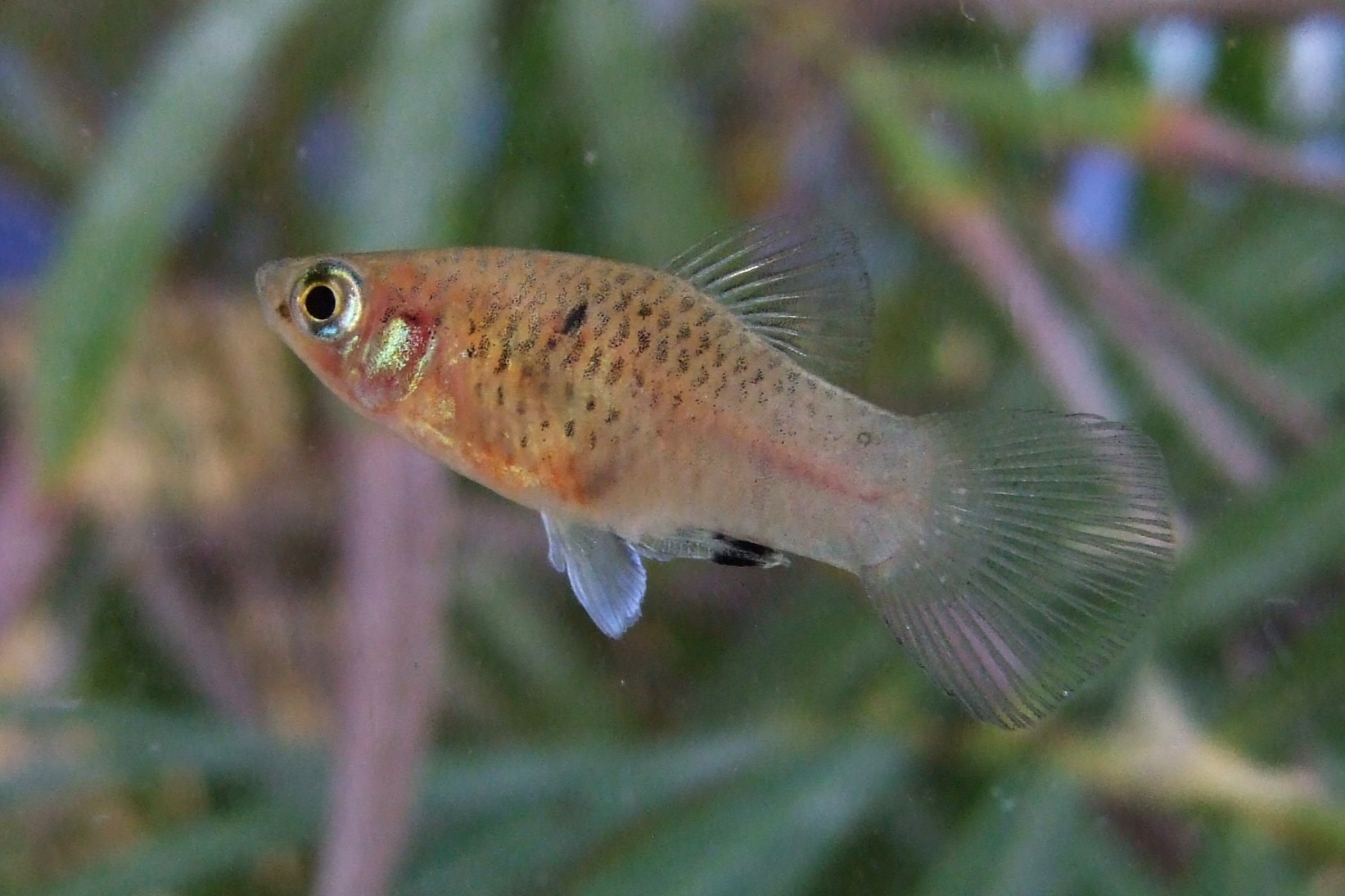
© Markéta Rejlková
XWG status: not actively managed (stable wild populations)
Represented in aquaria: Extremely common and widely represented; one of the most popular livebearing aquarium fish globally, alongside Xiphophorus variatus and Poecilia species. However, wild strains with known origin and not affected by selection are rare.
Known issues: Hybridization with other Xiphophorus species (especially X. variatus) common in aquarium populations. Susceptible to parasitic and bacterial infections, including Ichthyophthirius multifiliis (“ich”) and Mycobacterium spp., although generally hardy under proper conditions
Known collections or populations: Numerous populations maintained worldwide in aquaria, both commercially and privately, with robust representation in particular in research institutions.
- Tabasco, Mexico (?)
- Río Grijalva, Tabasco, Mexico
- Pichucalco, Río Grijalva, Tabasco, Mexico
- Chucho’s plays, Tabasco, Mexico
- Nueva Loría, Quintana Roo, Mexico
- Rio Jimba, Mexico (?)
- Acayucán, Veracruz, Mexico
- Kate’s Lagoon, Belize
- The Dump, Belize (?)
- Lago Izabal, Guatemala (?)
(if you have more information, please contact us at info@xipho.org – thanks!)
Under construction
We are working on the content of this website. Your help will be appreciated, please contact us at info@xipho.org.
If you want to be informed about the progress and plans of the Xiphophorus working group, subscribe to our mailing list or follow us on Facebook: